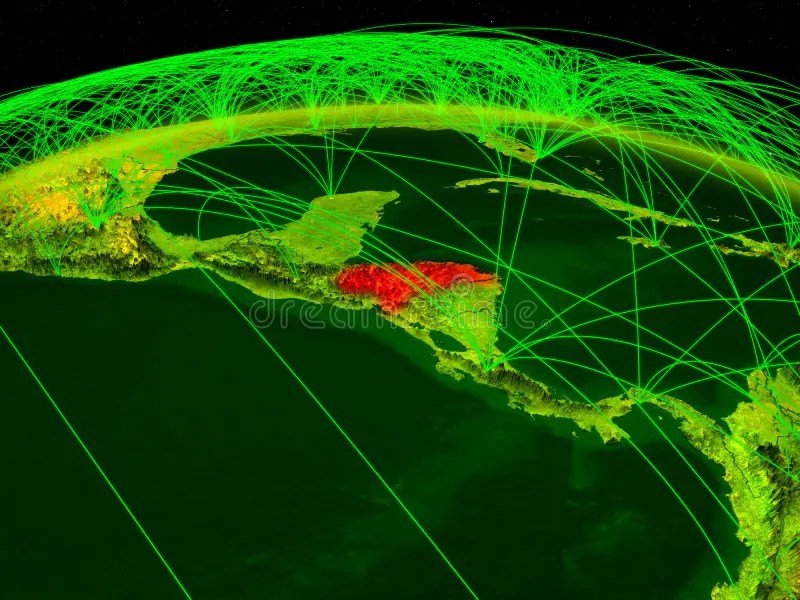
Honduras, a land of stunning natural beauty, ancient Mayan ruins, and vibrant culture, calls to adventurers and explorers alike. From the pristine beaches of the Bay Islands to the dense rainforests and historical cities, it offers an unforgettable experience. However, like any international journey, a trip to Honduras demands meticulous preparation, especially when it comes to safety, legal requirements, and staying connected. Effective planning travel & communication with Honduras isn't just about booking flights and hotels; it's about understanding the landscape, both literal and logistical, to ensure your adventure is as smooth and safe as possible.
This guide is your comprehensive companion, designed by a seasoned traveler for fellow explorers. We'll cut through the noise, providing clear, actionable advice so you can focus on the excitement of your upcoming trip, not the anxieties of what you might have missed.
At a Glance: Your Quick Prep Checklist for Honduras
Before diving into the details, here’s a snapshot of the crucial steps you’ll need to take:
- Passport: Ensure it's valid for at least 3 months beyond your intended stay for tourism, or 6 months for longer visits/visa applications.
- Visa: U.S. citizens generally don't need a visa for stays up to 90 days for tourism or business. Longer stays (work/study) require one.
- Online Immigration Pre-Check: MANDATORY. Complete this form at
prechequeo.inm.gob.hnat least 72 hours before arrival. - Online Customs Declaration: MANDATORY. Complete the Regional Traveler's Affidavit at
sisglobal.aduanas.gob.hnat least 3 days before your trip. - Vaccinations: Yellow Fever if coming from risk countries; others are recommended (e.g., Hepatitis A/B, Typhoid, Rabies).
- Travel Advisory: Be aware of the U.S. State Department's Level 3: Reconsider Travel advisory due to crime. Avoid the Gracias a Dios Department (Level 4: Do Not Travel).
- Insurance: Health insurance with medical evacuation coverage is highly recommended.
- Communication Plan: Understand how you’ll stay connected and have emergency contacts ready.
- STEP Enrollment: Register with the Smart Traveler Enrollment Program (STEP) for alerts and emergency assistance.
Clearing Customs & Immigration: Navigating Honduran Entry Requirements
Your journey to Honduras begins long before you touch down. The country has specific, mandatory procedures that all foreign visitors must follow. Missing a step here can cause significant delays or even prevent entry.
Passport & Visa Essentials: What You Need to Know
For U.S. citizens, the good news is that a separate Honduran visa isn't typically required for tourism or business trips lasting up to 90 days. You'll enter under a tourist stamp, provided you meet other requirements. However, if you plan to study or work, a specific visa is necessary. Student visas are issued for the duration of your studies, requiring an acceptance letter from a Honduran institution. Work visas must be initiated by your future employer in Honduras, who handles the registration of your employment contract.
Passport Validity Rules: This is a common pitfall for travelers. For tourism, your U.S. passport should be valid for the entire duration of your trip, with a general recommendation of at least three months of remaining validity. If you're seeking a long-term stay or applying for a specific visa, this requirement jumps to a minimum of six months validity from your planned entry date. Always double-check your passport's expiration date well in advance of your travel dates.
Mandatory Digital Check-ins: Immigration Pre-Check & Customs Declaration
Honduras has embraced digital forms to streamline entry and exit, but these must be completed proactively before your trip.
1. The Online Immigration Pre-Check (Prechequeo)
This is a non-negotiable step for all foreign travelers entering Honduras. You need to complete it online at least 72 hours before your arrival.
- Where to go: The official website of the National Migration Institute:
prechequeo.inm.gob.hn. Be wary of third-party sites; always use the official government portal. - What you'll need: Your basic personal details, country of origin, reason for travel (tourism, business, health, or work), transportation type (e.g., flight number), exact entry and exit dates, and your destination address in Honduras. Have your accommodation reservation handy!
- Step-by-step guide:
- Visit
prechequeo.inm.gob.hn. - Provide a valid email address. You'll receive a validation code there – make sure it’s an email you can access immediately.
- Enter the validation code on the platform to access the registration pages.
- Fill in all requested fields accurately. This includes your pre-registration information, travel details, and personal data.
- Once submitted, download or print your pre-registration form. You'll need to present this to immigration officials upon arrival.
2. The Online Customs Declaration (Regional Traveler’s Affidavit)
Separate from immigration, this form is managed by the Honduran Customs Administration and is also mandatory for all travelers entering or leaving Honduras. It needs to be completed online at least three days before your trip.
- Where to go:
sisglobal.aduanas.gob.hn. - What it covers: This declaration asks about items you're bringing into or out of the country, including currency exceeding $10,000 USD (which must be declared), luggage contents, any weapons, animals, and your general itinerary.
- Step-by-step guide:
- Go to
sisglobal.aduanas.gob.hn. - Look for a section like "Other procedures" and select "Regional traveler’s affidavit."
- Carefully fill out the form with your information.
- Register your submission and download/print your certificate. Keep this accessible for customs officials.
Why these forms are critical: These digital documents help Honduran authorities manage traveler flow, enhance security, and track goods entering and exiting the country. Failure to complete them can lead to significant delays, questioning, or even refusal of entry, so treat them as high-priority tasks in your travel planning.
Traveling with Minors: Special Considerations
If you're traveling with children under 21 who are unaccompanied or with only one parent, there's an extra layer of paperwork. You'll need a written, notarized permission letter from the non-traveling parent(s). This letter should clearly state that they consent to the child's travel to Honduras.
- Notarization options: The letter can be notarized by a Honduran notary public, apostilled by a U.S. state registrar, or notarized at a Honduran embassy or consulate in the U.S.
- Supporting documents: If a parent does not have legal custody (e.g., due to a court decision) or is deceased, you'll need to carry relevant paperwork such as court orders or death certificates. Always carry original documents or certified copies.
Recommended Documents (Unofficial, but Smart)
While not legally required, these documents can smooth your journey:
- Round-trip ticket: Immigration officials may ask to see proof of onward or return travel to verify your plans and ensure you adhere to your allowed stay.
- Accommodation reservation or address: The online pre-check and customs forms require an exact address in Honduras. Having a printout or digital copy of your reservation confirms your plans.
- Travel insurance policy: We'll delve into health insurance later, but carrying proof of your policy is always a good idea.
- U.S. Driver's License: If you plan to rent a car, your U.S. license is valid for up to 90 days. Always carry it with another form of identification.
Prioritizing Your Well-being: Health, Safety, and Security in Honduras
Understanding the health and safety landscape in Honduras is paramount for a responsible and enjoyable trip. The U.S. Department of State provides detailed advisories that travelers should heed closely.
Navigating Travel Advisories: A Candid Look
The U.S. Department of State currently advises Level 3: Reconsider Travel to Honduras (as of December 10, 2024), primarily due to concerns about crime. This isn't a "Do Not Travel" warning for the entire country, but it urges significant caution and heightened awareness.
"Do Not Travel" Areas: A specific warning is issued for the Gracias a Dios Department, the country's easternmost region. This area is designated Level 4: Do Not Travel due to extremely high levels of crime, narcotics trafficking, severely limited infrastructure, scarce government services, and minimal police or military presence. U.S. government personnel are restricted from this area, and you should follow suit.
Understanding Crime and Staying Safe
Violent crime, including homicide, armed robbery, and kidnapping, is common throughout Honduras. Widespread gang activity contributes to issues like extortion, violent street crime, rape, narcotics, and human trafficking. Local authorities often lack the resources to effectively respond to these issues.
Even tourist-frequented areas like the Bay Islands (Roatan, Utila, Guanaja) and Copán Ruins, while having a higher concentration of law enforcement, still require vigilance, particularly concerning drug-related crime, robbery, and illegal firearms.
State of Exception: Since December 2022 (and expanded by June 2024), Honduras has been operating under a "State of Exception" in 226 of its 298 municipalities. This allows police to suspend certain constitutional rights in response to high levels of extortion and other crimes. While intended to improve security, it also means increased police presence and potential for encounters. Monitor local media for updates on specific areas under this decree.
Demonstrations: Political and social unrest can lead to frequent and unpredictable protests, demonstrations, tire burnings, and roadblocks. These events can turn violent quickly and often shut down roads and highways without prior notice. It is crucial to avoid all demonstrations – even seemingly peaceful ones can escalate.
Practical Safety Recommendations: Your Action Plan
Your personal safety is largely dependent on your awareness and precautions:
- Avoid Night Travel: Do not walk or drive at night, especially in unfamiliar areas. Visibility is poor, and criminal activity often increases after dark.
- Resist Robbery Attempts: If confronted by an armed individual, do not physically resist. Your life is more valuable than your possessions.
- Bank & ATM Vigilance: Be extra vigilant when visiting banks or ATMs. Consider withdrawing money during daylight hours from ATMs located inside secure bank lobbies or commercial centers.
- Don't Flash Wealth: Avoid displaying expensive jewelry, electronics, or large amounts of cash. Try to blend in rather than stand out.
- Public Transportation: The U.S. government prohibits its personnel and their families from using public transportation, including white car taxis. This is a strong indicator of risk. Instead, opt for reputable, pre-arranged services.
- Taxis/Rideshares: If using a taxi, use Radio-Taxi services or app-based programs (where available). Avoid hailing taxis directly on the street. Always agree on the fare beforehand and have small bills available to pay the exact amount.
- Smart Traveler Enrollment Program (STEP): Enroll in STEP (step.state.gov) with the U.S. Embassy. This free service allows the Embassy to send you alerts about safety conditions and helps them locate you in an emergency.
- Contingency Plan: Discuss and prepare a contingency plan for emergencies with your travel companions and family back home. Know who to call and what steps to take.
If You're a Victim of Crime:
Immediately call the national police by dialing 911. Then, contact the U.S. Embassy in Tegucigalpa: - During business hours: 011-504-2236-9320 or 011-504-2238-5114
- After-hours: 011-504-2238-5114
The Embassy can assist with medical care, reporting crimes, contacting relatives/friends, providing general legal process information, offering attorney lists, connecting you with victim resources, and even facilitating emergency loans for accommodation or flights. If arrested or detained, demand that police or prison officials notify the U.S. Embassy immediately.
Health Preparedness: Staying Healthy on Your Trip
Health concerns are a significant aspect of planning travel & communication with Honduras. Being proactive can prevent common travel ailments and address more serious issues.
Vaccinations & Disease Prevention
- Yellow Fever: Proof of Yellow Fever vaccination is required for U.S. travelers who have spent at least one month in South American or African countries where the disease is a risk, prior to traveling to Honduras. If you're traveling directly from the U.S., it's generally not mandatory.
- Recommended Vaccines: Discuss with your doctor about recommended vaccinations, which often include measles, rubella, rabies, Hepatitis A, Hepatitis B, and typhoid.
- COVID-19: Honduras no longer requires COVID-19 vaccination or negative test results, but always check with your airline for their specific requirements.
- Dengue Emergency: As of June 2024, Honduras declared a national emergency due to a surge in dengue cases. This mosquito-borne illness can be severe. Take precautions: use insect repellent with DEET, wear long sleeves/pants, and stay in accommodations with screens or air conditioning.
- Other Prevalent Diseases: Be aware of Chikungunya, Malaria, Zika, and COVID-19.
Water, Food, and Air Quality
- Water and Food Safety: Honduras generally lacks the infrastructure to guarantee water purity and food safety to U.S. standards. Diarrheal illness is very common. Only drink sealed commercial bottled water. Avoid ice in drinks, street food, and uncooked fruits/vegetables unless you can peel them yourself or know they've been properly washed with safe water.
- Air Quality: During the dry season (February-May), widespread forest fires and agricultural burning can cause significant air pollution. Air quality levels can be unhealthy, potentially leading to respiratory issues and even short-term airport closures. If you have respiratory sensitivities, consider traveling outside these months or bring appropriate masks.
Medical Facilities & Insurance
- Medical Standards: Medical staff, facilities, and supplies in Honduras often do not meet U.S. medical standards, particularly outside of major cities. Adequate facilities for advanced surgical procedures are available in Tegucigalpa and San Pedro Sula, but even there, expect differences.
- Health Insurance: Not legally required for U.S. tourists but highly recommended. Your U.S. Medicare/Medicaid typically does not apply overseas. Purchase comprehensive travel health insurance that includes coverage for medical emergencies, hospital stays, and, crucially, medical evacuation. A medical evacuation can cost tens of thousands of dollars and is essential if you need to be transported to a facility that can provide higher-level care (potentially back to the U.S.). For work or student visas, health coverage is usually mandatory.
Medication and Customs Regulations
- Prescription Medications: Always carry prescription medication in its original packaging, accompanied by a doctor’s prescription. This avoids confusion at customs and provides proof of necessity.
- Illegal Substances: Be aware that medical marijuana, even with a U.S. prescription, is illegal in Honduras. Possession will lead to criminal prosecution and severe penalties. This applies to any illicit drugs.
- Other Customs: Strict regulations apply to the import/export of items like vehicles, certain medications, and business equipment. The export of artifacts from pre-colonial civilizations and specific flora/fauna is strictly prohibited.
Getting Around & Staying Connected: Logistics and Communication Strategies
Once you've cleared the pre-trip hurdles, think about how you'll move around and stay in touch. Effective communication with Honduras isn't just about a signal; it's about reliable channels, both personal and technological.
Road Conditions and Driving Safety
Driving in Honduras can be exceptionally challenging and dangerous. Consider these factors before getting behind the wheel:
- Crime: Vehicle theft and armed robbery of drivers are risks.
- Poor Road Conditions: Many roads are poorly maintained, riddled with potholes, and lack proper signage.
- Heavy Traffic: Expect heavy commercial truck traffic, especially on major routes.
- Night Driving: Absolutely avoid driving after dark. Roads are poorly lit, markings are often nonexistent, and pedestrians, animals, and stalled vehicles frequently appear without warning.
- Rainy Season Hazards: During the rainy season (May-December), rockslides are common, making certain routes hazardous.
- Dangerous Stretches: Be particularly cautious on routes like Tegucigalpa to Choluteca, El Progreso to La Ceiba, CA-5 and CA-13 near El Progreso, and routes in Olancho.
For most travelers, using pre-arranged, reputable shuttle services for inter-city travel or hiring local drivers with established companies is a safer alternative to self-driving. If you must drive, exercise extreme caution, drive defensively, and ensure your rental vehicle is in excellent condition and properly insured.
Staying Connected: Communication in Honduras
While "communication" in the context of planning often refers to contacting authorities, it also involves staying in touch with loved ones and having access to information. Knowing what time it is in Honduras can also be crucial for coordinating calls home or meeting local contacts.
- Cell Phone Service:
- Local SIM Card: The most cost-effective way to use your phone is to purchase a local SIM card upon arrival. Major providers like Claro and Tigo offer affordable prepaid plans with data, calls, and texts. Ensure your phone is unlocked before you travel.
- International Roaming: Check with your home provider about international roaming plans. These can be convenient but are often significantly more expensive than a local SIM.
- Wi-Fi: Wi-Fi is widely available in hotels, cafes, and restaurants in urban and tourist areas. However, speed and reliability can vary. Be cautious when using public Wi-Fi networks, as they can be less secure. Use a VPN if accessing sensitive information.
- Emergency Communication:
- U.S. Embassy: Keep the U.S. Embassy's contact numbers (provided above) programmed into your phone.
- Local Emergency: Dial 911 for police, fire, or medical emergencies.
- STEP: As mentioned, enrolling in STEP provides a direct communication channel with the Embassy.
- Keeping Others Informed: Share your itinerary with family or friends back home and check in regularly. In case of an emergency, they'll know your general whereabouts.
Money Matters: Handling Finances Safely
- Currency: The local currency is the Honduran Lempira (HNL). U.S. dollars are widely accepted in some tourist areas (especially the Bay Islands) but Lempiras are preferred for daily transactions.
- ATMs and Banks: ATMs are available in cities and larger towns. As advised earlier, use ATMs located inside secure bank branches or commercial centers during daylight hours. Be aware of your surroundings and avoid displaying large sums of cash.
- Credit Cards: Major credit cards (Visa, MasterCard) are accepted in most larger hotels, restaurants, and stores. It's wise to carry a mix of cash and cards. Inform your bank of your travel dates to avoid having your cards flagged for suspicious activity.
- Declaring Cash: Remember the customs regulation: if you're carrying more than $10,000 USD (or its equivalent in other currencies), you must declare it on the Regional Traveler's Affidavit. Failure to do so can result in hefty fines, potentially exceeding one-third of the total amount, and confiscation.
Understanding Local Laws & Cultural Sensitivities: Respecting Your Host Country
Traveling responsibly means respecting the laws and customs of your host country. Honduras has a different legal system than the U.S., and ignorance of local laws is not a valid defense.
Criminal Penalties: A Strict System
Honduran legal procedures differ significantly from U.S. norms. Judicial processes may not always be clear, and significant delays are common during investigations and trials. This can lead to months or even years in jail awaiting trial.
- Drugs and Firearms: Possession of illicit drugs or firearms without a proper permit will lead to immediate arrest and prosecution, with very severe penalties. As noted, even medical marijuana with a U.S. prescription is illegal.
- Currency Declaration: Undecleared currency exceeding $10,000 USD, as previously mentioned, can lead to substantial fines and confiscation.
- Respect Local Authority: Always cooperate with law enforcement officials. If you are arrested or detained, demand to contact the U.S. Embassy immediately.
Special Considerations for Travelers
Certain groups of travelers or specific activities warrant extra awareness:
- International Parental Child Abduction: Honduras has been cited for non-compliance regarding international parental child abduction. If you have concerns about this, seek legal advice before traveling.
- Watersports: While the Pacific Coast beaches offer beauty, they can have extremely dangerous undertows and currents. Lifeguards are scarce or nonexistent. Assess risks carefully before entering the water. Honduras's search and rescue capabilities are limited. For diving or snorkeling, choose reputable, certified operators.
- Investment Risks: If you're considering investment, be aware that corruption is a serious problem in Honduras, and financial investments pose high risks. Exercise extreme caution, especially with real estate, due to reports of fraudulent deeds and potential for threats or violence in property disputes.
- LGB Travelers: While there are no specific legal restrictions on same-sex relations or events, caution is advised. There have been reports of unpunished crimes against the LGB community and instances of police harassment.
- Accessibility: Despite Honduran law, few buildings or public spaces are accessible for persons with disabilities. Travelers with mobility challenges should prepare for potential difficulties.
Your Final Checklist & Enjoying Honduras Responsibly
Planning a trip to Honduras demands a thorough approach, but with careful preparation, you can unlock a truly rewarding travel experience. Here’s a final recap of key actions to empower you:
- Double-Check All Documents: Verify passport validity, complete both the online Immigration Pre-Check and Customs Declaration well in advance, and gather any special documents for minors.
- Health First: Consult your doctor about recommended vaccinations, understand current disease risks (like dengue), and secure comprehensive travel health insurance that includes medical evacuation.
- Safety Smart: Be fully aware of the U.S. State Department's Level 3 advisory and "Do Not Travel" zones. Heed safety recommendations diligently, especially regarding night travel, public transport, and displaying valuables. Enroll in STEP.
- Communicate Wisely: Plan your cell phone strategy (local SIM vs. roaming), know how to access Wi-Fi, and have emergency contacts readily available.
- Understand Local Laws: Familiarize yourself with Honduran laws, especially regarding currency declaration, medications, and illicit substances, to avoid severe penalties.
- Stay Flexible: Travel plans can sometimes encounter unexpected changes due to weather, local events, or other unforeseen circumstances. Maintain a flexible attitude and have contingency plans.
Honduras offers incredible biodiversity, rich history, and the warmth of its people. By approaching your journey with respect, awareness, and thorough planning, you're not just ensuring a safe trip – you're preparing yourself to fully immerse in the beauty and culture this captivating country has to offer. Enjoy your adventure!